Portable gas detectors play a critical role in protecting workers from hazardous atmospheres. Whether used in confined spaces, industrial plants, or maintenance environments, these instruments must function reliably every time they are switched on. Two essential maintenance procedures—bump testing and calibration—ensure that reliability.
Although often mentioned together, bump tests and calibration serve different purposes. Understanding when and why each is required helps maintain gas detector accuracy, supports safety compliance, and reduces the risk of false alarms or undetected gas hazards.
This article explains the difference between a bump test and calibration, when each should be performed, and why both are essential for effective gas detection.
Read: Gas Detection Requirements in Australia: AS/NZS Standards Explained (Complete Guide)
What Is a Bump Test?
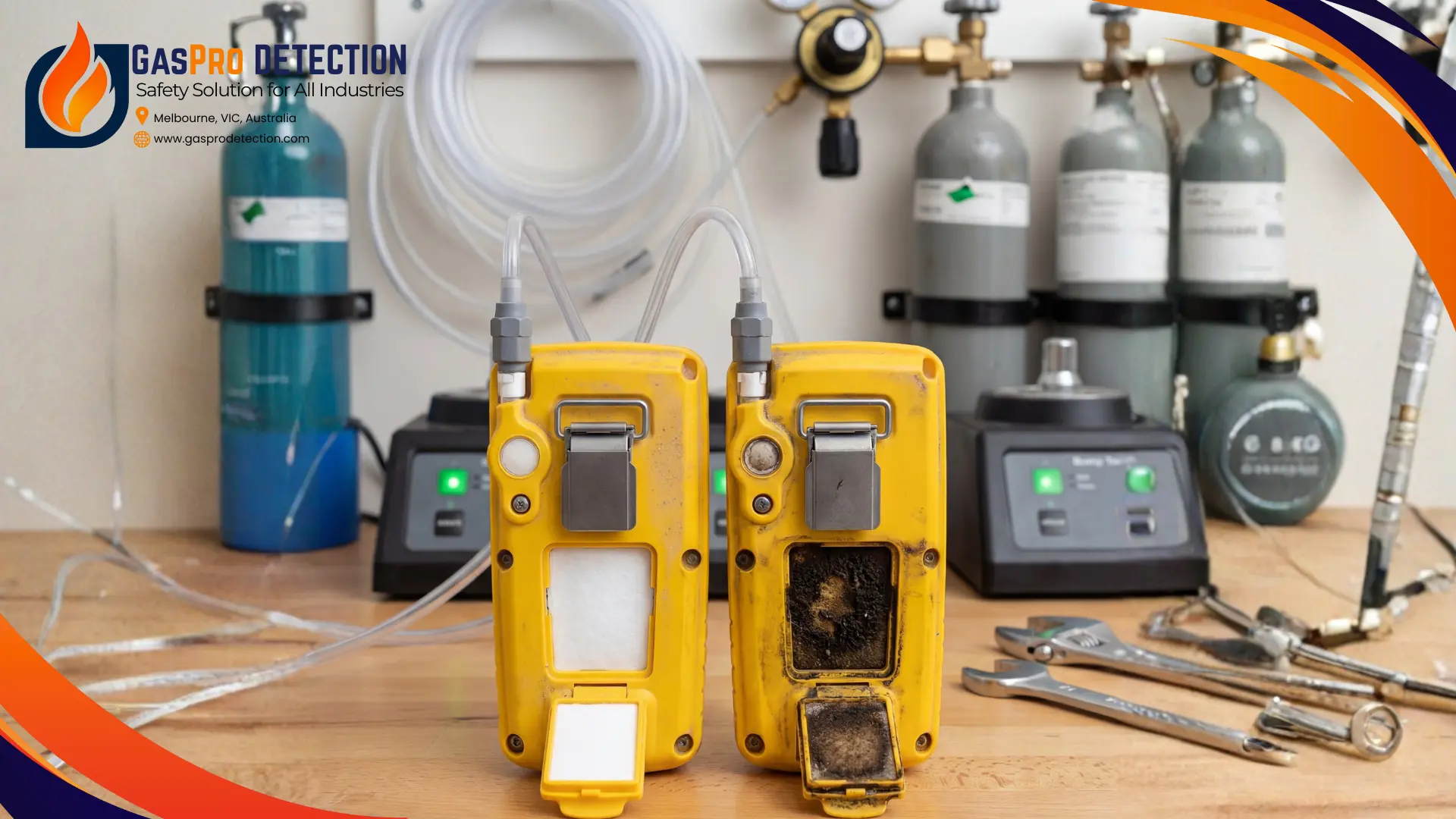
A bump test is a quick functional check performed on a gas detector to confirm that it responds to gas and that all alarms are working correctly. During a bump test, the detector is briefly exposed to a known concentration of test gas. The goal is not to measure accuracy, but to verify that:
- The gas sensor responds to the target gas
- Audible, visual, and vibration alarms activate
- The detector recognises gas within expected limits
A bump test typically takes less than a minute and does not adjust or change sensor readings; it confirms the detector is operational, identifies obvious sensor or alarm failures, and provides confidence before use in hazardous environments.
What Is Calibration?
Calibration is a more comprehensive process that adjusts a gas detector’s sensor readings to match a certified gas concentration. Unlike a bump test, calibration affects measurement accuracy.
During calibration, the detector compares its readings against known reference gas values and automatically adjusts the sensor response if needed. This ensures the displayed readings accurately reflect real gas concentrations.
There are typically two calibration steps:
- Zero calibration – sets the baseline in clean air
- Span calibration – aligns readings to a known gas concentration
Calibration requires more time, controlled conditions, and appropriate calibration equipment.
When Is Calibration Required?
Calibration is performed less frequently than bump testing but is just as important.
Calibration is required:
- At scheduled intervals (commonly every 6 months, depending on manufacturer guidance)
- When a detector fails a bump test
- After sensor replacement
- After prolonged storage or inactivity
- When readings appear inaccurate or unstable
Some environments or safety programs may require more frequent calibration due to harsh conditions or regulatory expectations.
Read: What Is a Portable Multi Gas Detector and Why It Matters for Workplace Safety
Bump Test vs Calibration: Key Differences
| Aspect | Bump Test | Calibration |
|---|---|---|
| Purpose | Functional check | Accuracy adjustment |
| Frequency | Daily or before use | Periodic (e.g. 3–6 months) |
| Time required | Seconds to minutes | Several minutes |
| Adjusts sensor accuracy | No | Yes |
| Confirms alarms | Yes | Yes |
| Equipment needed | Test gas | Calibration gas & setup |
| Compliance role | Pre-use safety check | Accuracy and performance assurance |
Why Both Bump Testing and Calibration Matter
Relying on only one of these procedures creates unnecessary risk.
1. Safety Implications
A gas detector that does not respond to gas or responds inaccurately can lead to:
- Undetected toxic or flammable gases
- False sense of security
- Delayed evacuation or response
- Increased risk of injury or fatality
2. Compliance and Best Practice
Regular bump testing and calibration support:
- Workplace safety standards
- Internal safety audits
- Manufacturer warranty and performance requirements
- Consistent, documented maintenance practices
3. Equipment Reliability
Routine testing helps:
- Detect sensor degradation early
- Extend sensor and instrument lifespan
- Reduce unexpected downtime
- Maintain confidence in gas readings
Read: Portable Single Gas Detectors and Their Role in Modern Industry
Common Misconceptions About Bump Tests and Calibration
If you have ever believed any of the following, you are not alone, these are common misunderstandings in gas detector maintenance.
- Think that: “If my detector passes a bump test, calibration isn’t needed”
This is incorrect. A bump test only confirms that the detector responds to gas and that alarms activate; it does not verify measurement accuracy.
- Think that: “Calibration replaces bump testing”
This is also incorrect. Calibration adjusts sensor accuracy but does not confirm that alarms and sensors function properly before daily use.
- Think that: “New gas detectors don’t need testing”
Even new gas detectors should be bump tested before use to ensure that shipping, storage, or handling has not affected performance.
Read: Checklist Points You Need to Choose the Right Portable Gas Detector
Conclusion
Bump testing and calibration are not interchangeable. They serve different but equally important roles in gas detector maintenance.
- Bump tests confirm that a gas detector is functioning and ready for use
- Calibration ensures that gas readings remain accurate and trustworthy
Together, they form the foundation of a reliable gas detection safety program. Understanding when and why to perform each procedure helps protect workers, supports compliance, and ensures portable gas detectors perform as intended when it matters most.