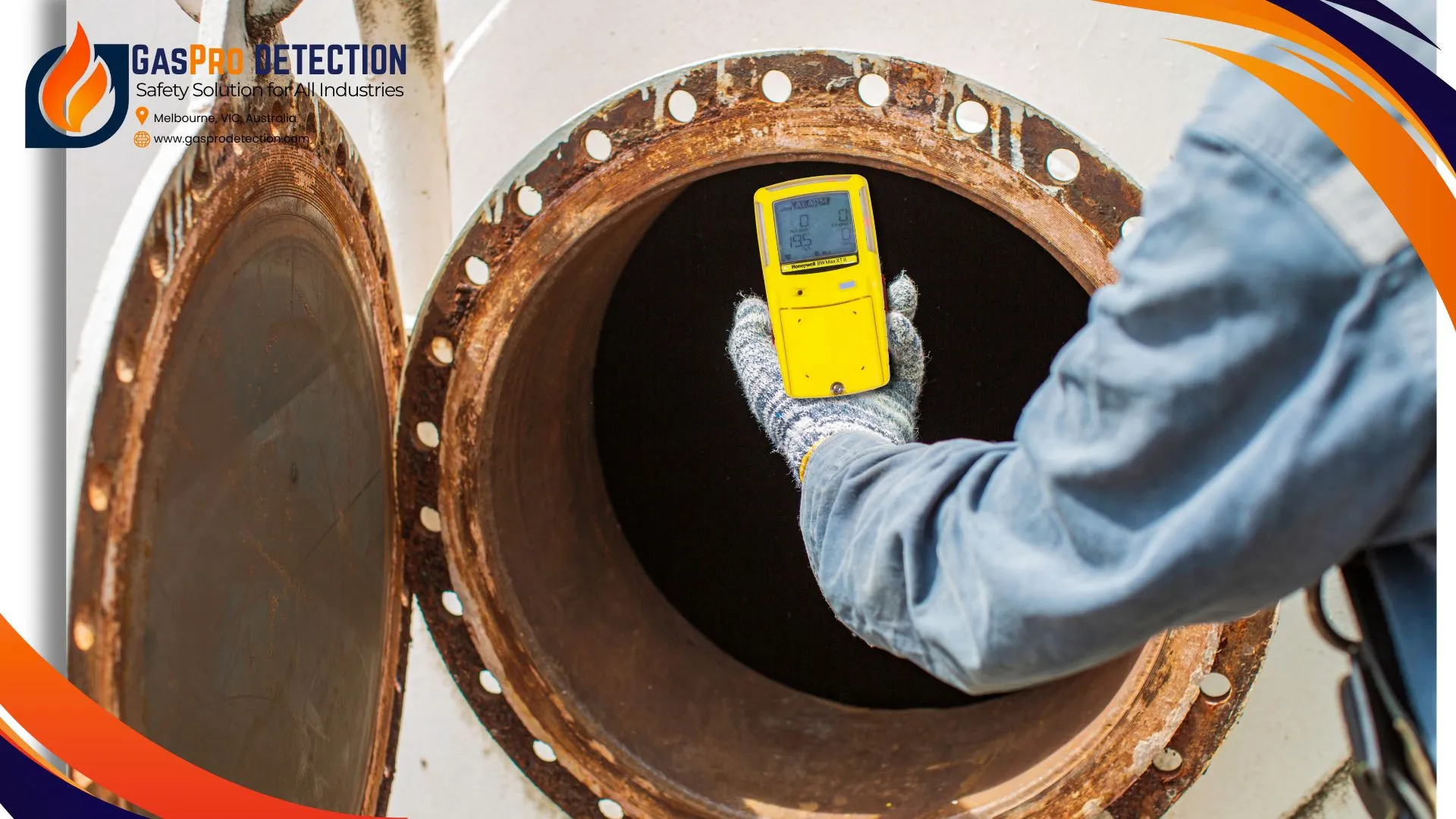
In many industries, hazardous gases are part of daily operations. From oil and gas to construction and utilities, exposure risks are often invisible but potentially life threatening. Choosing the right portable gas detector is not just a safety measure, it is essential for protecting workers on site.
If you are unsure which detector is right for your application, follow the practical steps below to make a confident and informed decision.
Read: Portable Single Gas Detectors and Their Role in Modern Industry
1. Identify the Gases in Your Environment
The first step is understanding which gases are present in your workplace. This determines everything else.
Common gases include Carbon Monoxide CO, Hydrogen Sulfide H2S, Oxygen O2, combustible gases, Ammonia NH3, Chlorine Cl2, and volatile organic compounds.
Each gas requires a specific sensor. If multiple gases are present, a multi gas detector is usually required.
Key point: Always define your gas hazards before choosing a device.
2. Decide Between Single Gas and Multi Gas Detectors
Once you know the risks, choose the type of detector that fits your environment.
A. Single gas detectors
Suitable for environments with one known hazard. They are compact and generally more affordable.
B. Multi gas detectors
Designed to detect several gases at the same time. Ideal for complex environments such as confined spaces or changing work conditions.
If your team faces multiple or unknown risks, a multi gas detector is typically the safer choice.
Read: What Is a Portable Multi Gas Detector and Why It Matters for Workplace Safety
3. Ensure Accuracy and Reliability
A gas detector must provide consistent and accurate readings. Without reliability, even the best features become meaningless.
Look for devices with stable sensors, reliable calibration performance, and proven detection technology. Some advanced models include redundant sensors to reduce the risk of failure.
Accurate detection helps prevent both missed exposure and false alarms.
4. Choose a Device That Is Easy to Use and Maintain
In real working conditions, ease of use is critical.
A good detector should perform automatic self checks, clearly indicate faults, and require minimal manual setup. Systems that support docking stations can simplify calibration, bump testing, charging, and updates.
This reduces human error and keeps devices ready for use at all times.
5. Evaluate the Alarm System
In an emergency, alerts must be immediate and easy to understand.
Look for detectors with loud audible alarms, bright visual indicators, and strong vibration alerts. Some devices also display clear instructions such as evacuate or ventilate.
The goal is to ensure workers can react quickly without confusion.
6. Consider Battery Life
Your detector should last for the entire work shift without interruption.
Check battery runtime, charging time, and whether the device supports charging stations. For long shifts or continuous operations, battery performance becomes a key factor.
7. Look for Real Time Monitoring and Data Logging
Modern gas detectors offer more than basic detection.
Advanced features may include real time data sharing, man down alerts, panic alarms, and exposure history tracking. These capabilities help improve visibility across teams and support better safety management.
For supervisors, this data can reveal patterns and help prevent incidents before they happen.
8. Check Durability and Environmental Protection
Gas detectors are used in demanding environments, so durability is essential.
Choose devices with strong resistance to dust, water, and impact. Ratings such as IP protection levels can indicate how well a device performs in harsh conditions.
A rugged detector ensures consistent performance on site.
9. Verify Certifications and Compliance
Depending on your industry and region, certain certifications may be required.
Examples include ATEX, IECEx, and UL. Even when not mandatory, these certifications indicate that the device meets recognized safety standards.
Using certified equipment adds confidence in both safety and reliability.
10. Review Support and Warranty
A portable gas detector is part of a long term safety system.
Before purchasing, check the warranty, availability of local support, and servicing options. Reliable after sales support ensures your detector remains accurate and compliant over time.
Read: BW MicroClip XL as an Alternative to BW Clip4 for Fire and Confined Spaces
Conclusion
The best portable gas detector is the one that fits your specific application.
Focus on identifying your gas risks, ensuring reliable performance, and choosing a device that your team can use easily every day.
Making the right choice is not just about equipment, it is about creating a safer working environment and reducing risk across your operations.
At GasPro Detection, we understand that every site has different challenges. Whether you already know what you need or are still comparing options, our team is here to support you with practical advice and reliable solutions.
If you have questions or need a quick recommendation, feel free to reach out. Getting the right gas detector should be simple, and we are here to help make that happen.